
5 Min Read
.jpg?width=960&height=672&name=Modern%20custom%20ADU%20with%20wood%20siding%20and%20flat%20roof%20by%20Smart%20Spaces%20ADUs%20in%20Brookhaven%2c%20GA%20-%20rendering%20(2).jpg)
Adding an accessory dwelling unit (ADU) to your home can be a great move.
Maybe you’re planning for rental income. Maybe you want space for aging parents. Maybe you’re simply thinking ahead about how to make your property more flexible in the years to come. ADUs can be a solution for those situations.
But many people who want an ADU don't realize the level of planning and preparation involved. Zoning rules, placement restrictions, and permitting timelines are just some of the things you have to account for. Fortunately, building an ADU can be a much smoother process if you understand what you need to do beforehand.
This latest guide from the SmartSpaces ADUs team covers the pitfalls Atlanta homeowners make and how you can avoid them.
Use the links below to navigate to the sections you want to read:
- What Are the Most Common ADU Building Mistakes Homeowners Make?
- What Should I Know Before Building an ADU in Atlanta?
- Are ADUs Legal in Atlanta and What Zoning Issues Should I Watch Out For?
- How Much Does an ADU Really Cost to Build in Atlanta?
- What Permits Do I Need Before Building an ADU in Georgia?
- Can I Use an ADU for Airbnb or Short-Term Rentals in Atlanta?
- How Do I Avoid Delays and Budget Overruns When Building an ADU?
- Should I Hire a Professional ADU Builder or Design Consultant?
What Are the Most Common ADU Building Mistakes Homeowners Make?
In the Atlanta market, most ADU setbacks don’t come from construction errors. They come from assumptions made early in the planning phase.
Here are some common mistakes people make in the beginning:
- Designing before confirming zoning eligibility
- Budgeting for construction but overlooking soft costs
- Underestimating the City of Atlanta permitting timelines
- Hiring a contractor without ADU-specific experience
An accessory dwelling unit is not a home addition or a detached structure in your backyard. It’s a legally defined secondary residence under local regulations. That means you must comply with zoning, building codes, inspections, and utility standards specific to dwellings, not to sheds or simple additions.
For example, adding a kitchen means doing plumbing, electrical load calculations, ventilation requirements, and inspections that must align with city code. If those layers aren’t considered upfront, revisions follow. Thankfully, these issues are preventable with careful planning and working with the right team.
What Should I Know Before Building an ADU in Atlanta?
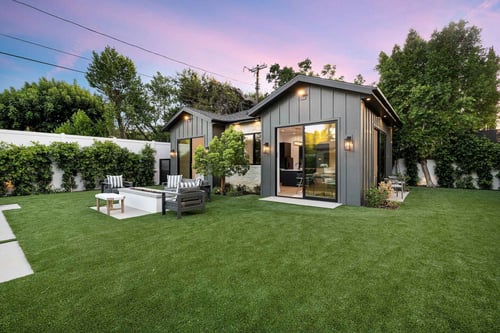
Before choosing finishes or reviewing floor plans, focus on your lot.
Atlanta ADU eligibility depends on zoning classification, lot size, setbacks, and placement rules. Two homes in the same neighborhood can have different allowances depending on their specific zoning designation.
Before investing in architectural plans, confirm:
- Your zoning district and whether ADUs are permitted
- Minimum lot size and width requirements
- Required setbacks from rear and side property lines
- Height and square footage limits
It’s also important to understand the difference between a guest house and a legal accessory dwelling unit. In Atlanta, a true ADU must include independent living facilities, typically a kitchen and full bath. A detached structure without those elements may not qualify as a separate dwelling under local guidelines.
That distinction affects permitting, long-term use, and even resale.
Are ADUs Legal in Atlanta and What Zoning Issues Should I Watch Out For?
Yes, ADUs are legal in many Atlanta neighborhoods, but zoning determines what’s possible on your specific property.
Placement is often the biggest variable. Rear setbacks can limit depth. Lot coverage restrictions can cap the total building footprint. Utility easements may shrink the buildable area.
Other Atlanta-specific zoning considerations may include:
- Sloped lots requiring grading or retaining solutions
- Historic or overlay districts with additional review
- Access requirements for emergency services
It’s also common for homeowners to assume that if a neighbor has an ADU, theirs will qualify automatically. In reality, zoning maps and lot conditions can vary significantly from one property to the next.
Confirming your property’s eligibility with the city or with a professional familiar with Atlanta zoning laws protects both your design investment and your timeline.
How Much Does an ADU Really Cost to Build in Atlanta?
In today’s Atlanta construction market, detached ADUs typically range from roughly $130,000 to $300,000.
Smaller, efficient units on straightforward lots often fall toward the lower end of that range. Larger builds, complex sites, or higher-end finishes push costs higher.
Several factors shape the final investment:
- Size and layout efficiency
- Site preparation and grading conditions
- Distance to water, sewer, and electrical connections
- Foundation type
- Interior finish selections
Utility connections are one of the most underestimated cost drivers in the Atlanta area. Extending sewer and water lines from the primary residence to a backyard structure may require trenching, inspections, and coordination with service providers.
Soft costs also matter. Surveys, engineering, permitting fees, architectural drawings, and inspections all contribute to the total cost to build an ADU in Atlanta.
When evaluating whether the investment makes sense, consider both short-term and long-term value. Some homeowners prioritize rental income. Others focus on multigenerational housing, resale appeal, or simply increasing the adaptability of their property. Decide what the ADU will mean for your household and for your finances now and in the future.
For additional budgeting resources, download our Pricing Guide.
What Permits Do I Need Before Building an ADU in Georgia?
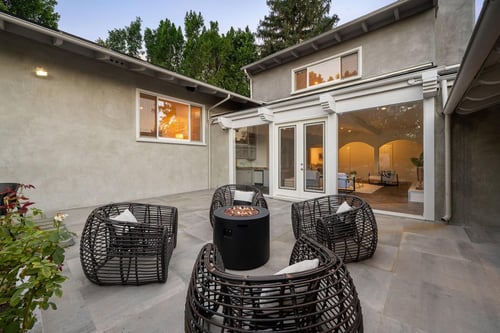
Because an ADU functions as a separate dwelling, the permitting process involves multiple steps through the City of Atlanta and applicable departments.
You’ll typically need:
- Zoning verification
- A building permit
- Electrical, plumbing, and mechanical permits
- Inspections at defined construction stages
The process isn’t complicated, but it is structured. Incomplete documentation or inaccurate site plans can extend review timelines.
Accurate surveys and detailed drawings reduce back-and-forth with reviewers. Early coordination with permitting staff or an experienced professional familiar with Atlanta ADU projects helps keep the construction on track.
Can I Use an ADU for Airbnb or Short-Term Rentals in Atlanta?
Short-term rental use is regulated separately from zoning approval.
Even if your property qualifies for an accessory dwelling unit, the City of Atlanta short-term rental rules may impose additional requirements, including:
- Primary residence restrictions
- Registration and licensing
- Occupancy limits
- Tax compliance
If rental income is central to your decision, confirm eligibility early. Designing with intended use in mind ensures the layout, permitting, and compliance align from the beginning.
How Do I Avoid Delays and Budget Overruns When Building an ADU?
In Atlanta, most project delays come from mid-process revisions and not from construction itself.
Projects move more smoothly when homeowners:
- Verify zoning before design work begins
- Establish a realistic total budget, including soft costs
- Finalize major layout decisions early
- Clarify utility access and infrastructure capacity upfront
Local experience also matters. Professionals who regularly build ADUs in Atlanta understand review timelines, inspection requirements, and common site constraints specific to this market.
Should I Hire a Professional ADU Builder or Design Consultant?
.jpg?width=525&height=263&name=Smart%20Spaces%20ADU%20(3).jpg)
You can manage an ADU project yourself. Some homeowners hire a designer, bid it out to contractors, and coordinate permits on their own. But in Atlanta, ADUs aren’t just small builds. They’re zoning-driven projects.
Rear setbacks. Lot coverage limits. Sewer tie-ins. Electrical capacity. These details shape what’s possible long before construction begins.
The real value of working with someone who regularly builds ADUs isn’t just about convenience. It’s about getting the small details right the first time around.
An experienced ADU professional can help you answer practical questions upfront:
- Will your lot support the size you’re envisioning?
- Where can the unit legally sit?
- What will utility connections realistically involve?
- Are there permitting issues common in your zoning district?
Getting those answers early reduces redesigns and budget surprises.
So, if you’re comfortable coordinating engineers, navigating City of Atlanta reviews, and managing revisions, a piecemeal approach can work. But if you'd prefer to have someone handle the more complex ins and outs, working with a professional makes the most sense.
build your adu right with SmartSpaces ADUs
In this guide, you’ve seen that building an ADU in Atlanta isn’t just about adding square footage. Zoning, placement, permitting, and utilities are all important details you can't afford to overlook.
That’s where experience matters.
SmartSpaces ADUs is based in East Atlanta, and we focus exclusively on designing and building accessory dwelling units that meet local regulations from the start. We help homeowners confirm feasibility early, understand what their lot truly allows, and move forward with realistic expectations around cost and timeline.
If you’re thinking about adding an ADU for rental income, family space, or long-term flexibility, let’s start with the right foundation.
View our ADU plans to see what would be best for your goals.
Ready to move forward?
Connect with our team and get started with your ADU construction. We can go over financing options and answer any questions you have.
.jpg?width=352&name=Smart%20Spaces%20ADU%20(1).jpg)
